
- Aashirvad-Hearing-Care's Blog
- Log in or register to post comments
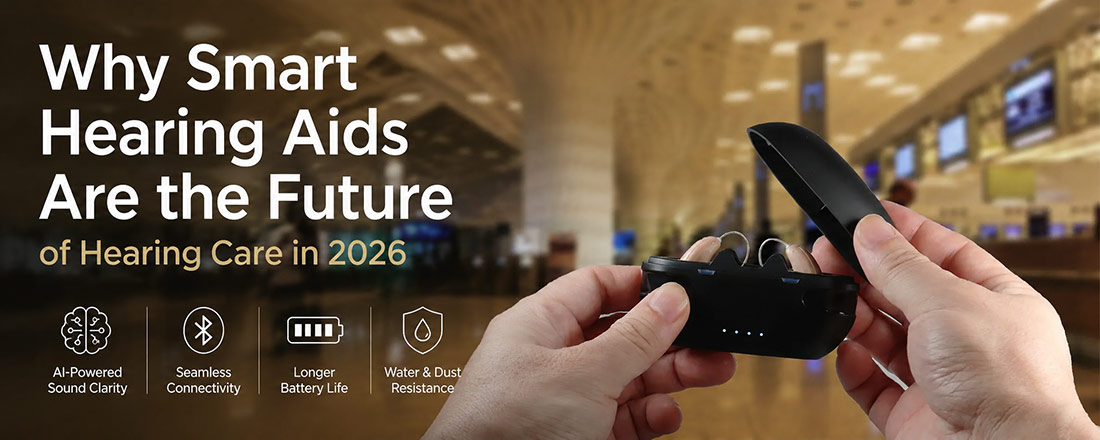
The hearing care industry has transformed over the last five years more than it has in the last half a century. Hearing aids today are no longer simply little sound amplifiers as they have now developed to become smart connected, self-learning devices, themselves, which are set to provide the user with a natural and easy listening experience. The most significant trend influencing the industry in 2025 will be the emergence of smart hearing aids that are fuelled by artificial intelligence, wireless connectivity, and health capabilities.
In contrast to the traditional models that increase the volume only, the smart hearing aids analyse the sound, adapt to the surroundings,and learn the user preferences as time goes by. This implies that one can be in a silent room and take a step into a street with a lot of noise and the hearing aid will change the settings by itself without the user having to adjust them. Such degree of automation is reshaping the way consumers live their lives, whether it is communication or leisure.
Universal connectivity is another significant trend. Current hearing aids are being directly connected to smartphones, televisions, laptops, and even smart watches. There is no need to use additional devices to stream music, take calls, or even hold a video conference. This will eliminate the frustrations of complex devices to the senior users particularly and make them self-sufficient with a single one-stop solution.
Rechargeability is also coming out to be the new norm. Rather than changing too small batteries after a few days, rechargeable hearing aid technologies provide the power of the entire day after only a few hours of charge. It does not only save cost and waste but also makes life easier to those people who have a problem in dexterity.
However, health tracking is the most thrilling one. Numerous smart hearing aids have a built-in sensor that can detect physical activity, heart rate, fall events and even the way they think. This will make the device a handheld health-monitoring device - highly helpful in the case of older people who might require additional safety features.
Another trend is the increasing remote hearing care. The users can now get their hearing aids adjusted by an audiologist via phone call or video call without having to attend the clinic. This has brought the hearing care closer than ever before particularly to people in small towns or with mobility problems.
Hearing aids Smart hearing aids do not only enhance sound, but also improve the lifestyle, confidence, independence, and emotional well-being. The stigma on hearing loss is dying out with the rising number of innovations every year. Instead of having to wear the hearing aids, people are now opting to wear them due to their desire to communicate better, listen better, and live smarter.
The year 2025 is the starting point of a new age: in which hearing aids are not considered medical devices, but personal hearing companions.